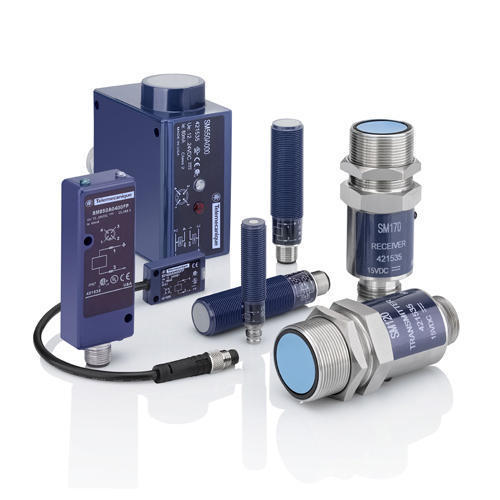
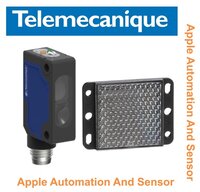
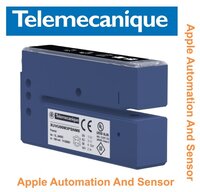
Telemecanique Vision Sensors Price & Specifications
Wireless No
Weight Approx. 130 g
Voltage 24V DC (typical)
Usage Industrial Automation, Quality Inspection
Signal Type Digital
Sensor Type CMOS Image Sensor
Sensitivity Adjustable (via software)
Response Time 2a 15 ms
Resolution 640 x 480 pixels
Product Type Vision Sensor
Power Consumption Max. 2.5 W
Output PNP/NPN, Ethernet
Operating Temperature 0A C to 50A C
Mounting Type Bracket or Panel Mount
Measurement Range 30a 200 mm (depending on model)
Material Polycarbonate, Metal
Interface Ethernet, RS232
Input 24V DC
IP Rating IP65/IP67
Function Object Detection, Code Reading, Position Verification
Features Teach Button, Auto Focus, LED Illumination, Compact Design
Cable Length 2 m (standard)
Application Packaging, Assembly, Robotics, Inspection Lines
Accuracy A 0.1 mm
About Telemecanique Vision Sensors Detail
Telemecanique Vision Sensors, highly sought-after for their terrific object detection and code reading capabilities, offer both fixed and adjustable lens types to capitalise on diverse industrial needs. Featuring an integrated red or white LED, frame rates up to 60 fps, and robust blue/black polycarbonate or metal housing, these sensors champion reliability and performance in automation. With onboard memory for configuration, auto focus, and digital/ethernet outputs, they provide ephemeral yet accurate results, making them a featured solution for packaging, assembly, robotics, and inspection lines across India.
Versatile Usage and Broad Application Spectrum
Telemecanique Vision Sensors are specifically crafted for dynamic industrial environments, shining in tasks such as object detection, code reading, and position verification. Their broad application includes packaging lines, assembly operations, robotics, and inspection stations. The clear advantage is precise measurement (0.1 mm accuracy) within a 30200 mm range, ensuring robust performance across varying media, from paper to metal. Their compact, durable design is embraced by manufacturers, importers, and suppliers throughout Indias automation sectors.
Sample Policy, Availability, and Certifications
Sample units of Telemecanique Vision Sensors are routinely available for qualified partners in India. Our streamlined logistics ensure quick drop-off and reliable delivery directly to your operations site. We maintain comprehensive certification and testing, supporting your confidence in their quality and compliance. Whether youre coordinating with a dealer, distributor, or system fabricator, our flexible sample policy facilitates smooth onboarding and technical evaluations, ensuring a seamless experience from initial request to handover.
FAQs of Telemecanique Vision Sensors:
Q: How do Telemecanique Vision Sensors enhance quality inspection processes?
A: Telemecanique Vision Sensors provide precise object detection, code reading, and position verification through onboard image processing, ensuring 0.1 mm accuracy. Their integrated LED illumination and swift frame rates allow real-time quality assurance in demanding inspection lines.
Q: What applications benefit most from using Telemecanique Vision Sensors?
A: These sensors are ideal for packaging, assembly, robotics, and inspection lines, capitalising on their ability to perform various tasks such as object detection and position verification with high accuracy and adaptability.
Q: Where can I install Telemecanique Vision Sensors in my operation?
A: They can be mounted using bracket or panel options on assembly lines, robotic arms, inspection stations, and packaging machinery, thanks to their compact, IP65/IP67-rated design and standard 2 m cable length.
Q: What is the process to receive a sample for evaluation?
A: Simply contact your local dealer or distributor. Samples can be arranged quickly, and delivery is coordinated via reliable logistics partners, following our flexible sample drop-off policy to streamline your product evaluation.
Q: What certifications support the use of these vision sensors in industrial environments?
A: Telemecanique Vision Sensors come with comprehensive industry certifications and quality assurance, ensuring safe integration into a range of automation systems and compliance with relevant international standards.

 GST No.27ACRPG0717F1ZQ


 Our Products