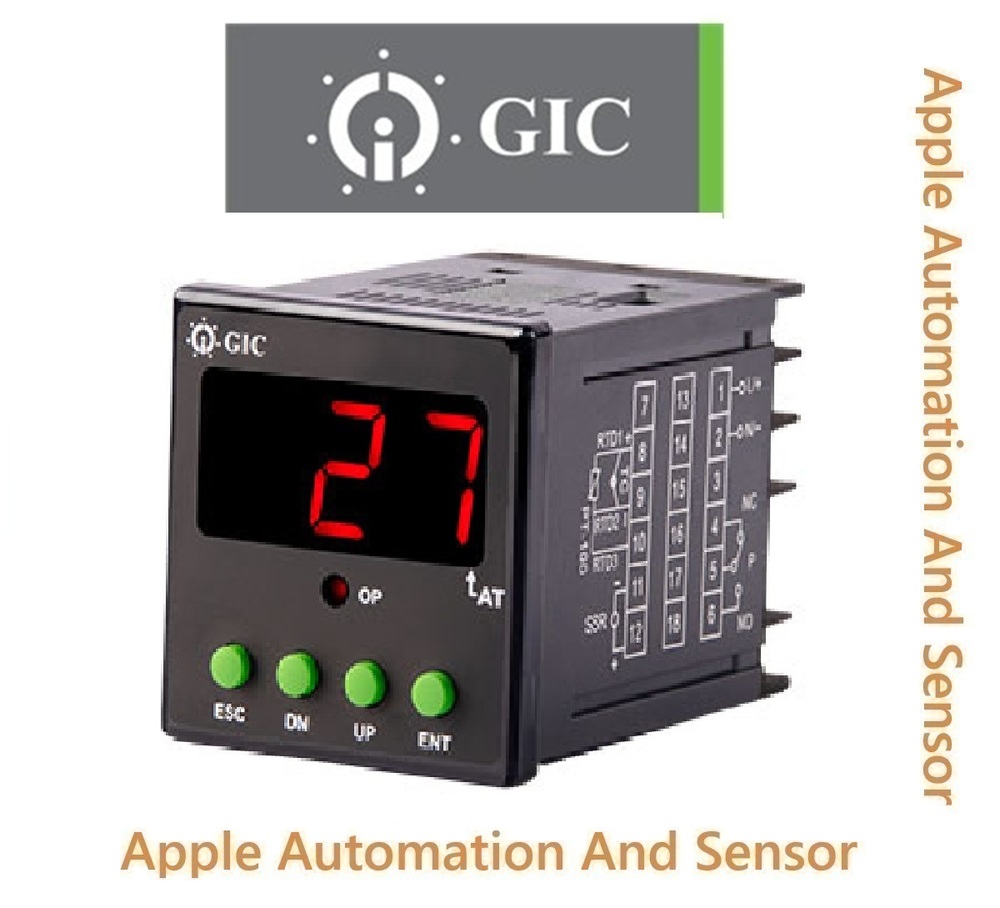
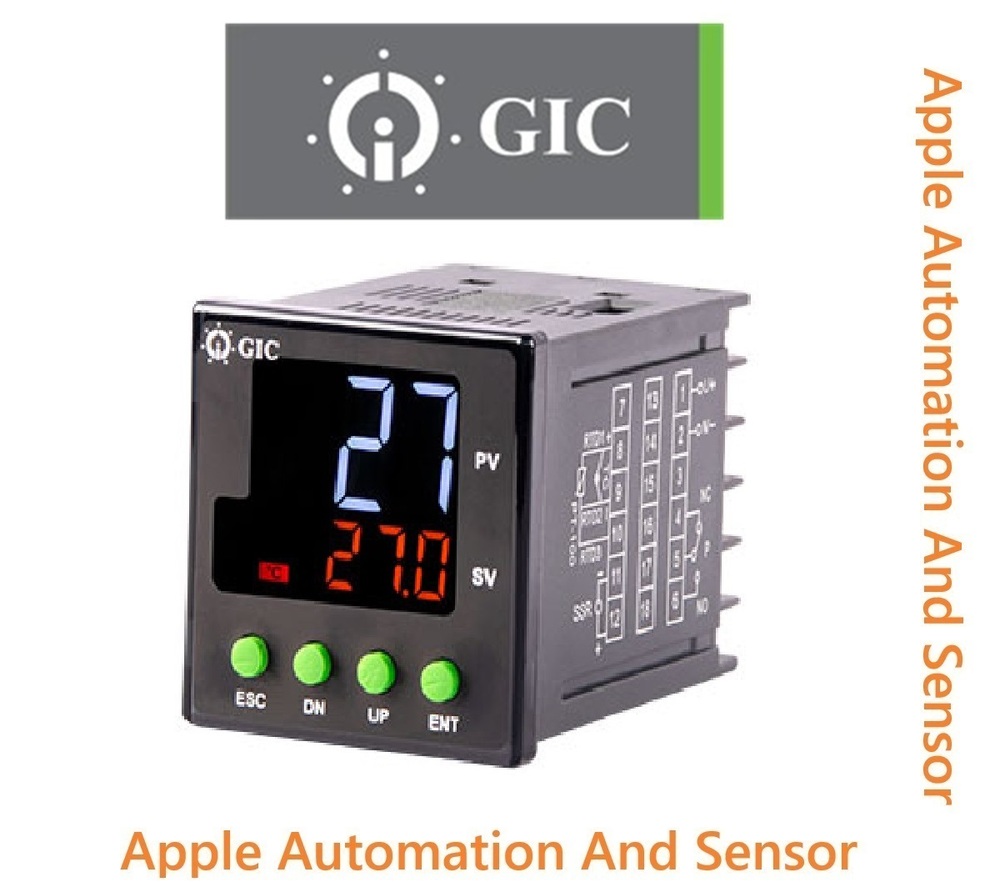
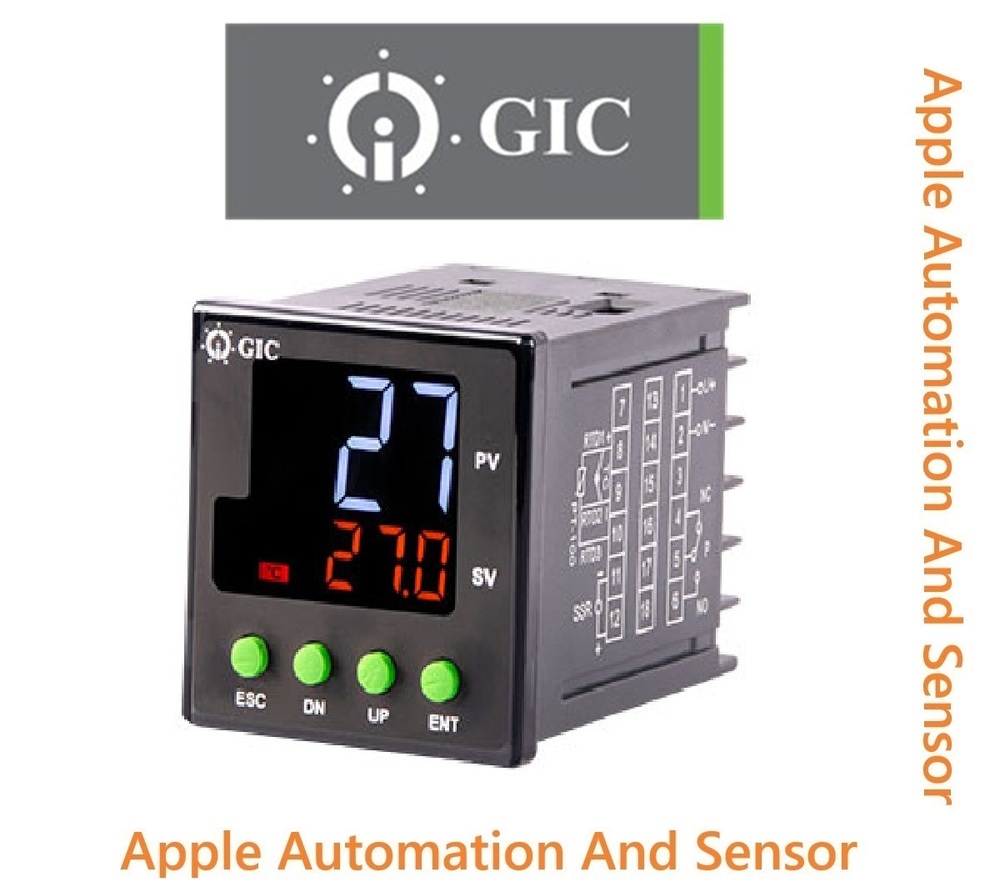
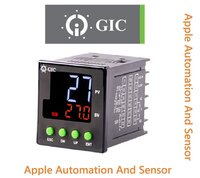
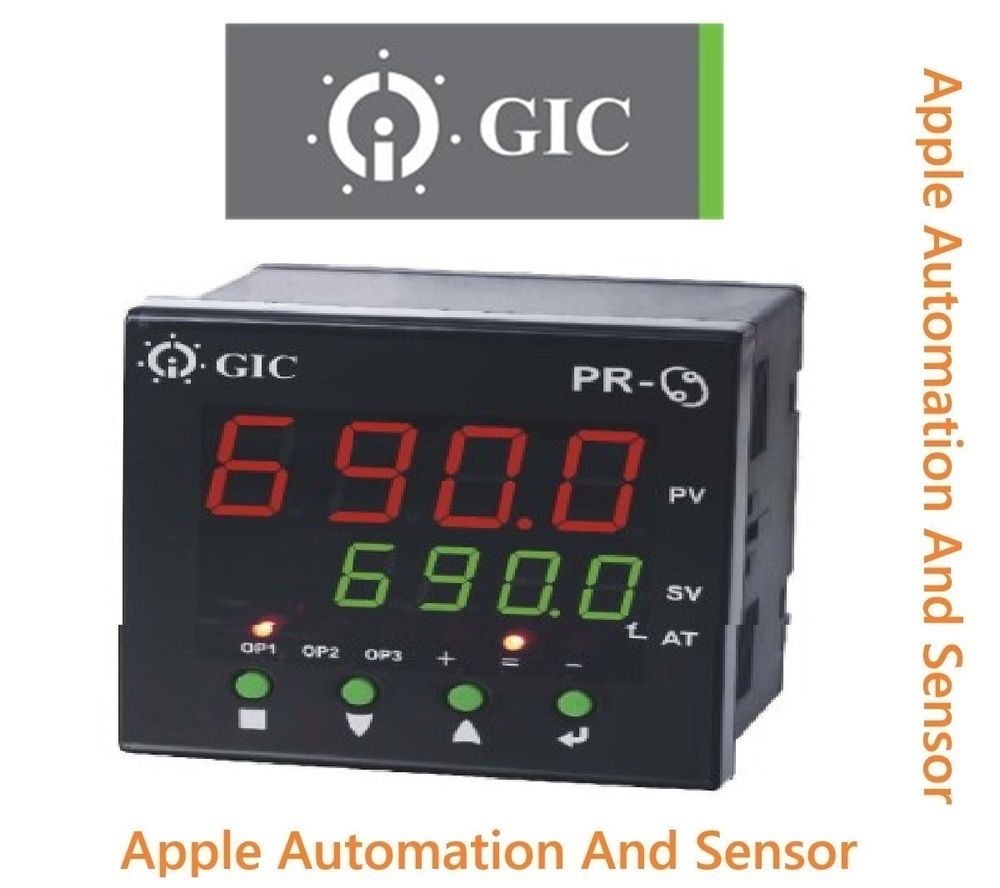
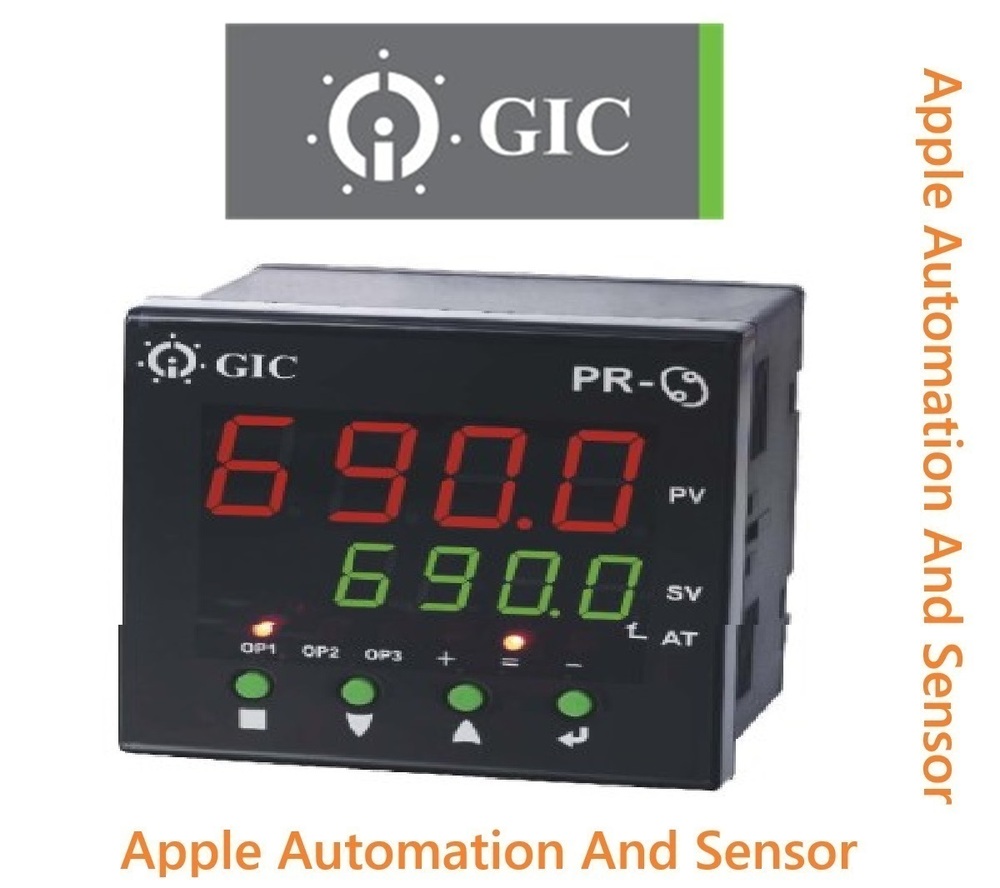
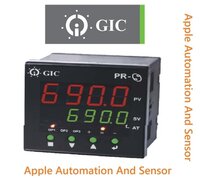
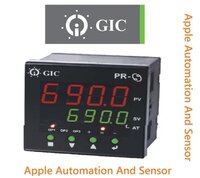
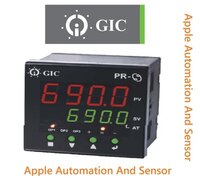
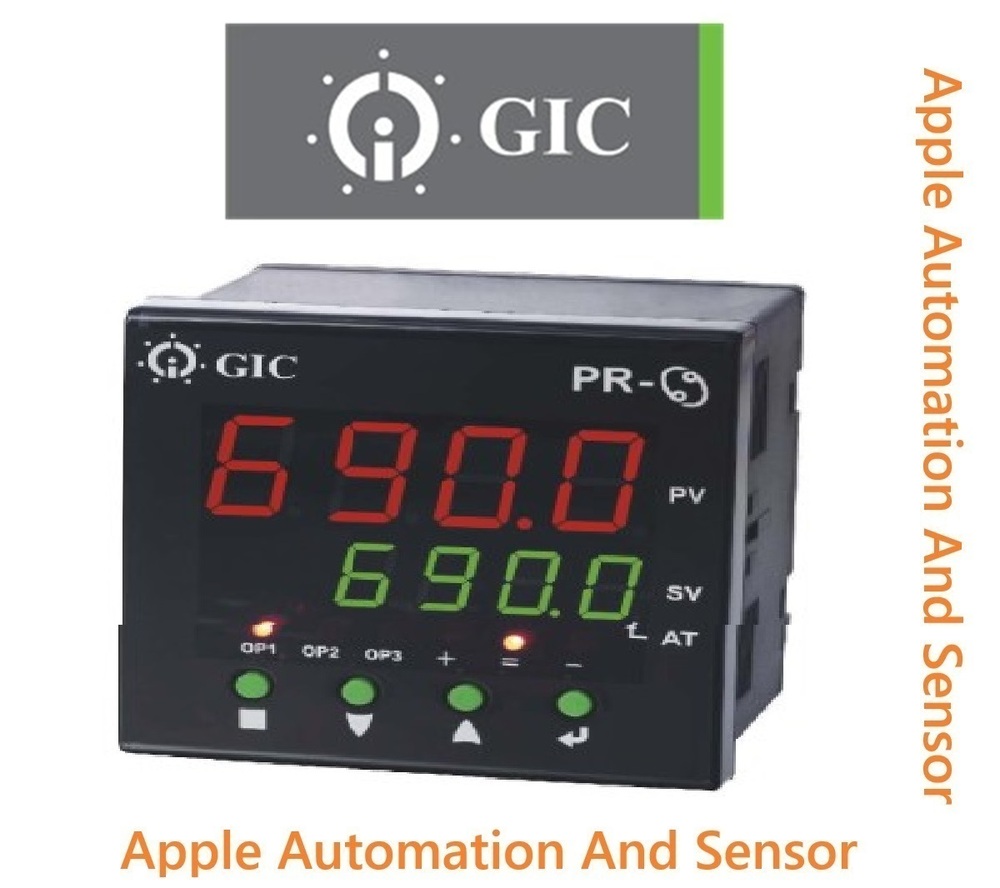
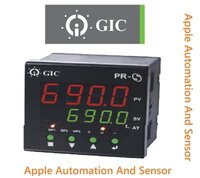
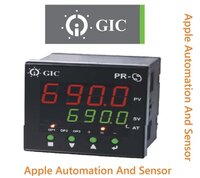
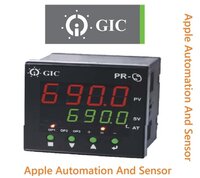
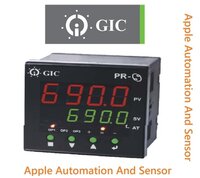
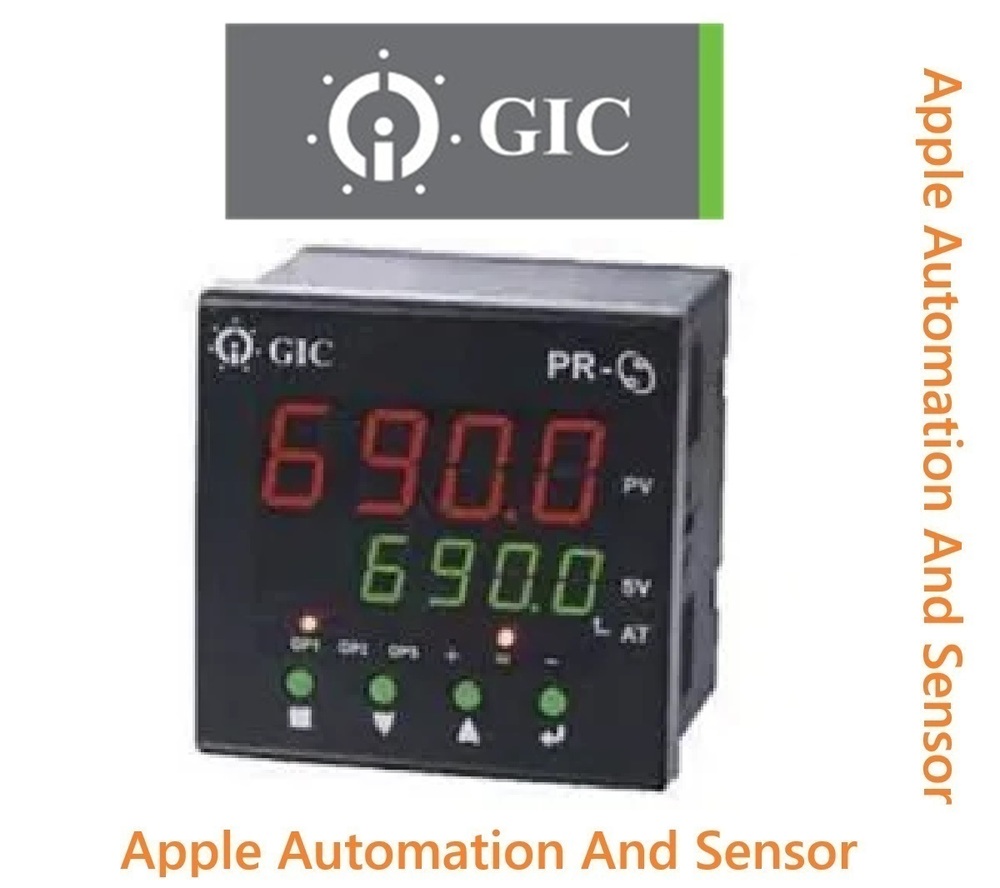
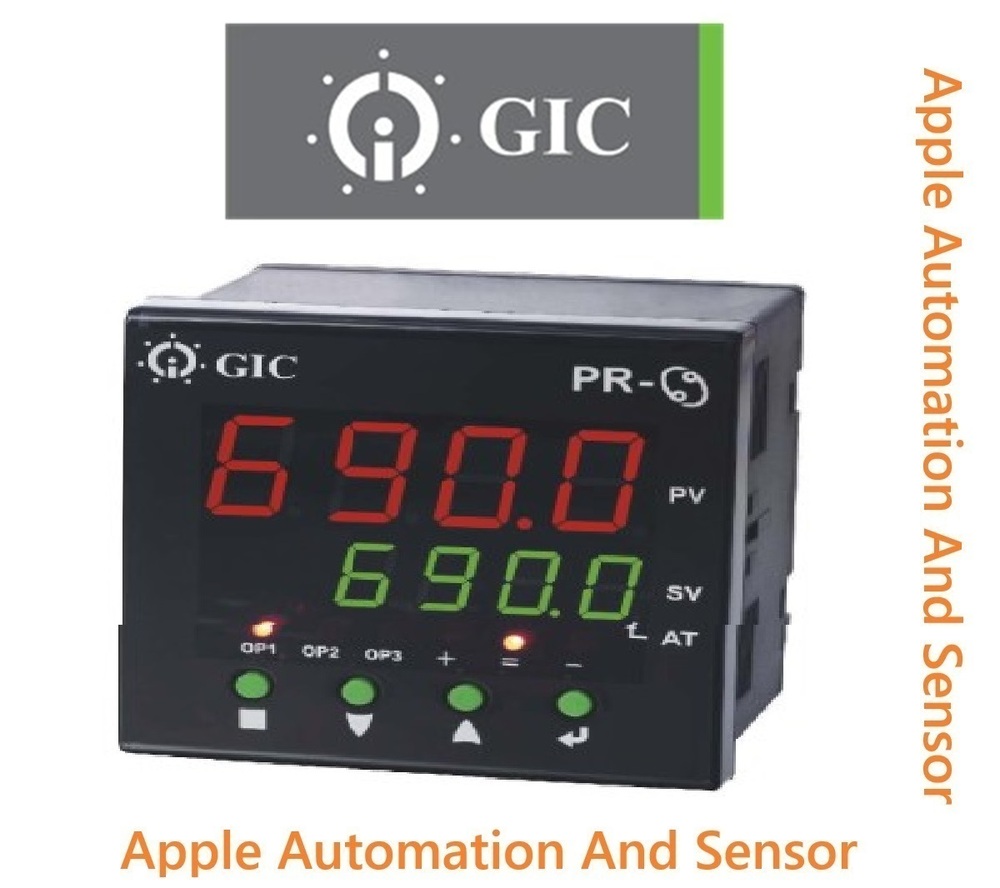
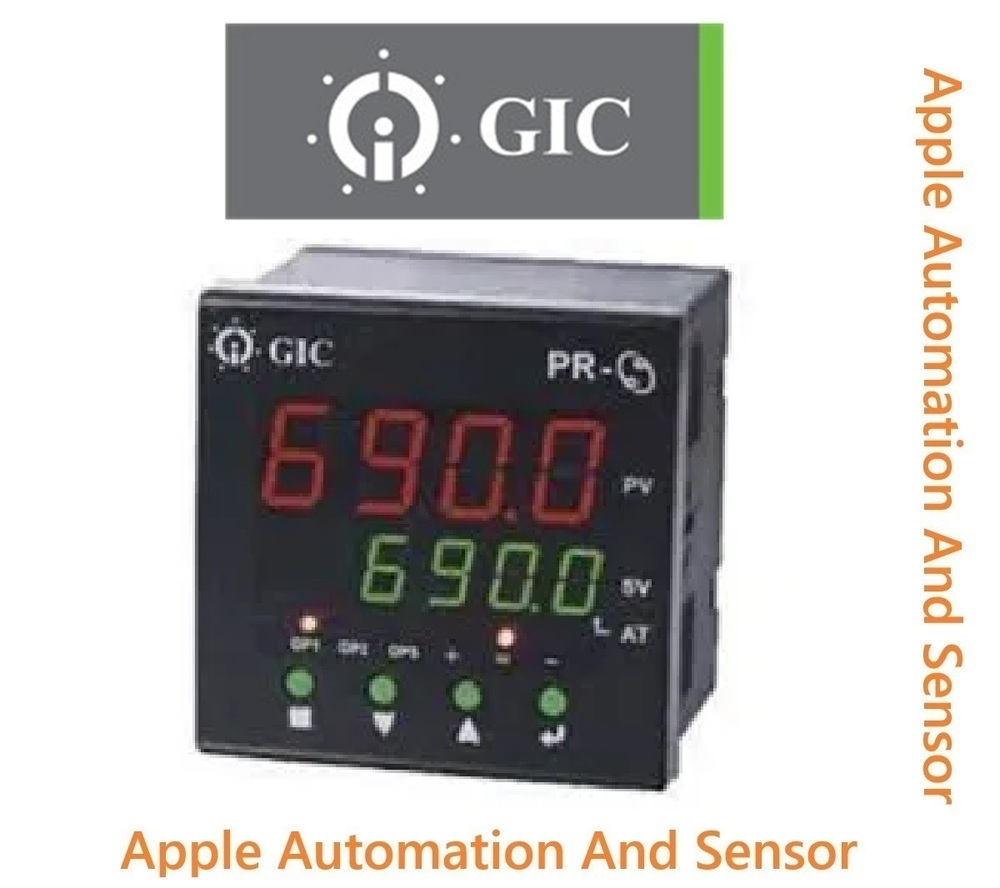
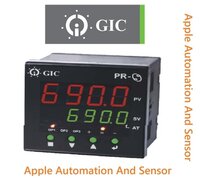
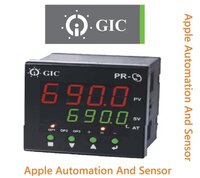
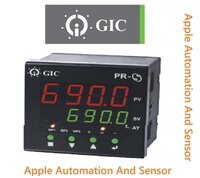
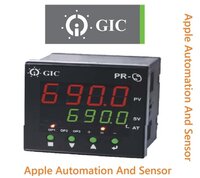
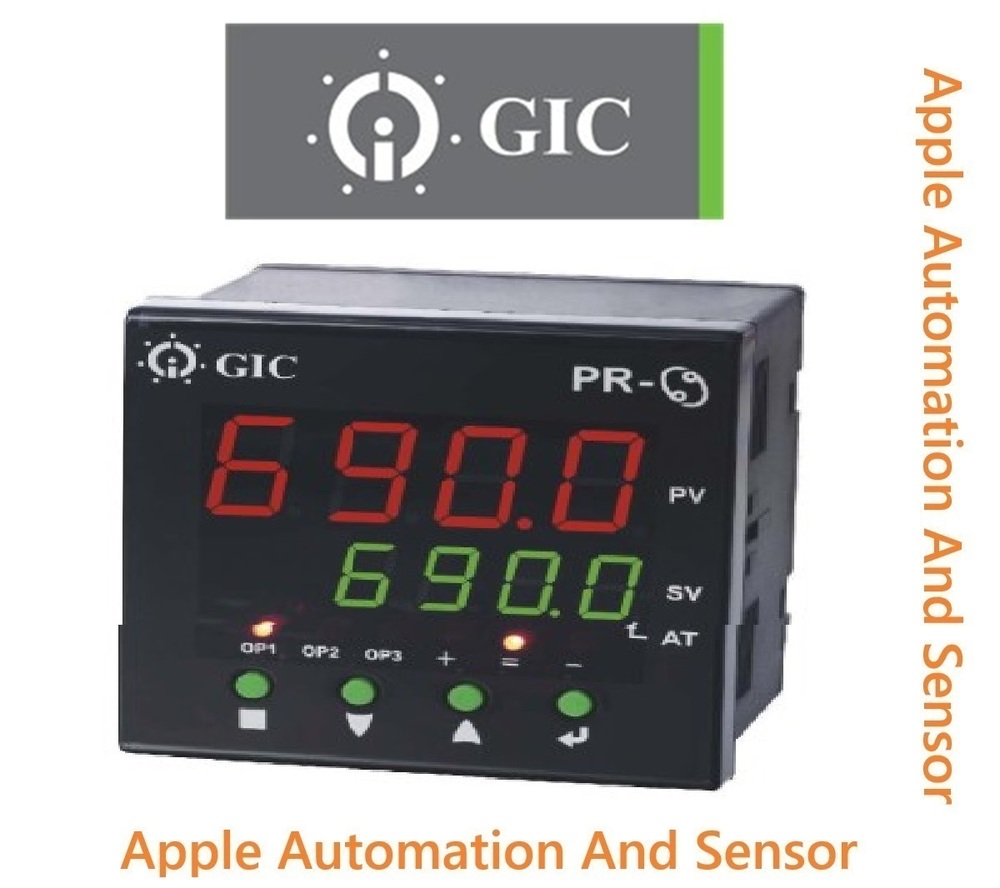
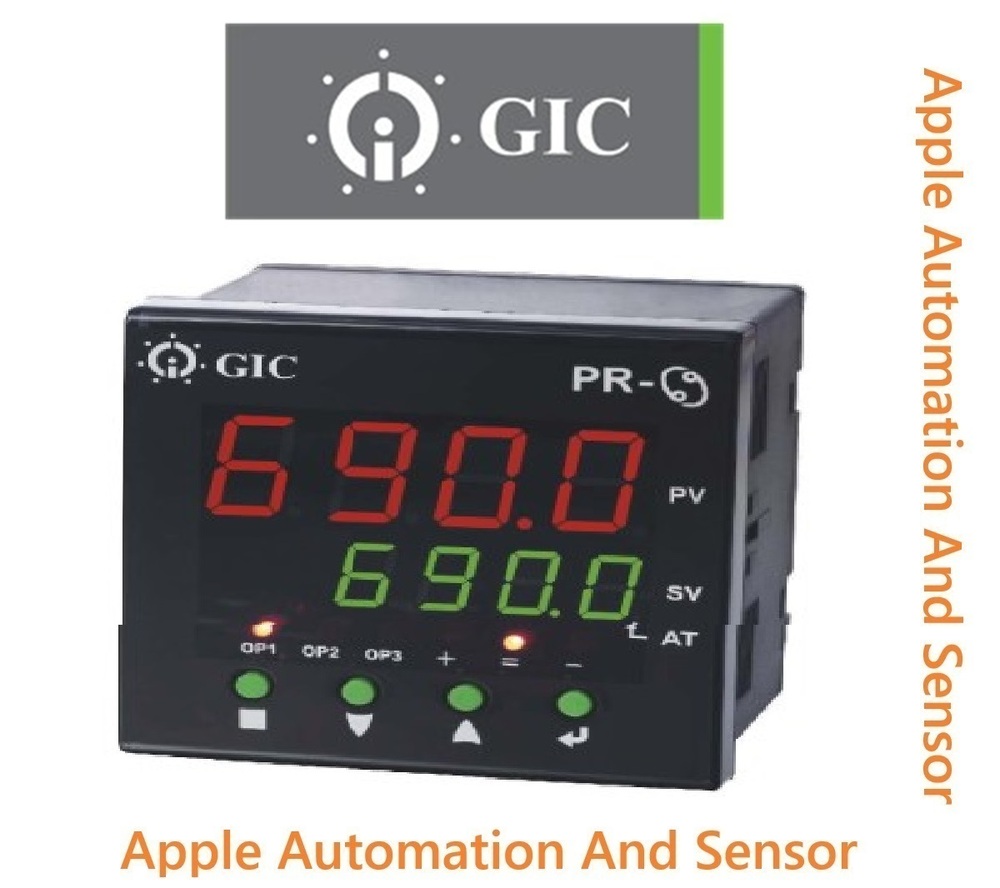
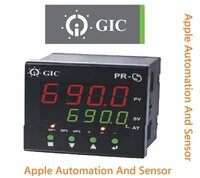
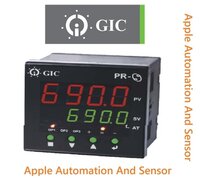
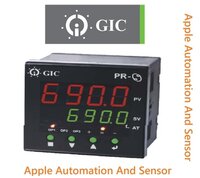
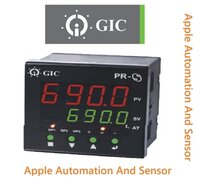
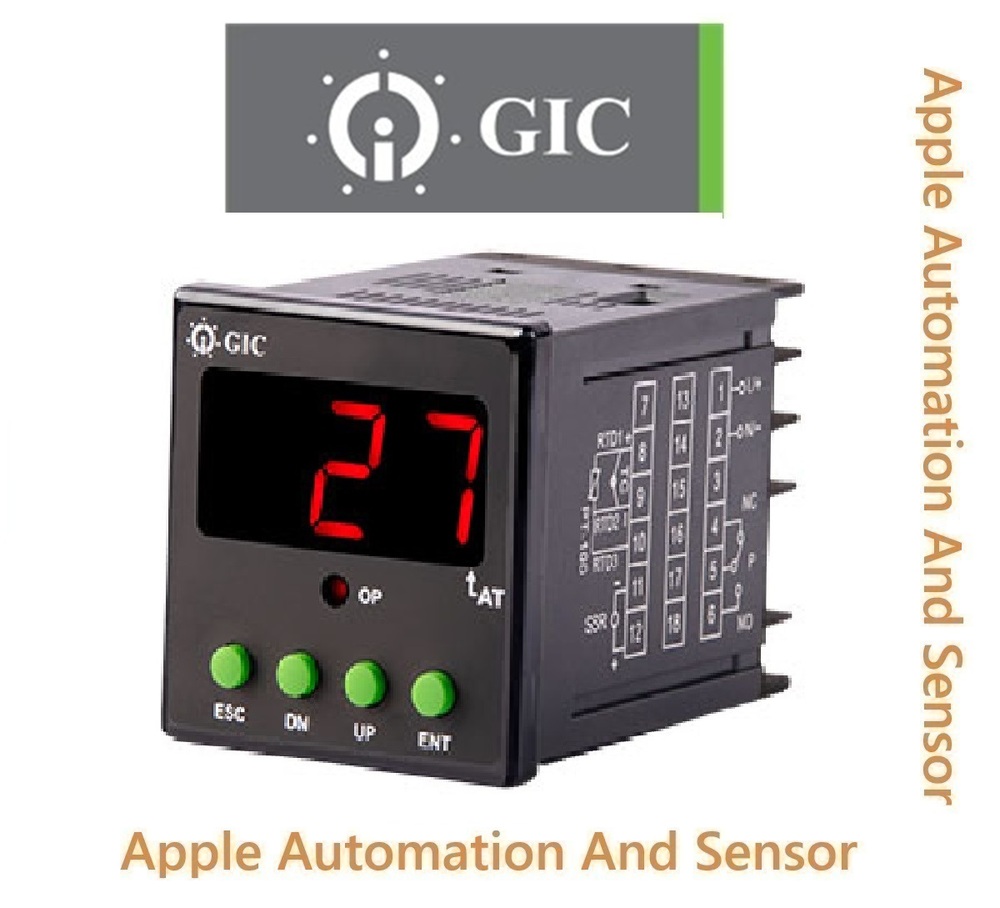
151F43B1 GIC Temperature Controller Dual Acting Pid Controller
We are Dealer, Supplier, Distributor of 151F43B1 GIC Temperature Controller Dual Acting Pid Controller and offer Price in India. Apple Automation and Sensor are Dealer, Supplier and Distributor of GIC in India, Mumbai, Delhi, Ahmedabad, Chennai, Kolkata, Pune, Nashik, Aurangabad, Nagpur Vapi, Silvassa, Surat, Vadodara, Rajkot, Gandhidham, Morbi, Indore, Bhopal, Faridabad, Ghaziabad, Noida, Gurgaon, Coimbatore, Bangalore, Hyderabad, Kanpur, Goa, Vishakhapatnam, Cochin, Ernakulam, Ludhiana, Chandigarh, Baddi, Dehradun, Nagpur, Sangli, Satara, Ichalkarnji, Solapur, Kupwad, Kolhapur, Pimpri, Chinchwad, Jalgaon, Silvassa, Surat, Baroda, Morbi.
Product Specification
Model : 151F43B1
Multiple Model No : 151F43B, 151G43B, 151H43B, 151J43B, 151F43B, 151G43B1, 151H43B1, 151J43B1
151J43B1
Brand : GIC
Option : Input, Output, Size, Weight, Dimension, Function, Usage, Accuracy, Resolution, Voltage
Warranty: 1 Year
Universal Compatibility for Diverse ApplicationsThe 151F43B1 PID Temperature Controller accepts a wide range of input types including thermocouples (J, K, T, R, S), RTD PT100, current (4-20mA), and voltage (0-10V), making it suitable for many industrial and process control settings. This flexibility ensures easy replacement and integration with existing systems regardless of sensor type.
Accurate Control and Dual Output RelaysEquipped with high-precision (0.5% of full scale 1 digit) PID and On-Off control algorithms, the controller ensures stable temperature regulation. Dual output relays expand control options, enabling two simultaneous actuations, ideal for heating and cooling control tasks within automation systems.
User-Friendly Operation and InstallationDesigned for straightforward panel mounting with a standard 48 x 48 mm cutout, the controller provides digital indication via a bright dual LED display. The user interface supports both manual and automatic tuning, ensuring easy setup. The compact build and screw/terminal connections further simplify installation and maintenance.
FAQ's of 151F43B1 GIC Temperature Controller Dual Acting Pid Controller:
Q: How do I set up the 151F43B1 temperature controller for my application?
A: To set up the 151F43B1, first perform panel installation using a 48 x 48 mm cutout. Wire connections via screw/terminal blocks for sensor, power, and relay outputs as per the user manual. Select the appropriate input type (e.g., PT100 or thermocouple) through the digital menu, configure the setpoint and control parameters, and select auto- or manual tuning as required.
Q: What input sensors are supported, and can I easily switch between them?
A: This controller supports universal sensor input: thermocouples (J, K, T, R, S), RTD PT100, 4-20mA, and 0-10V. You can switch between input types via the configuration interface; simply select the desired sensor type in the digital menu and ensure proper wiring before operation.
Q: Where is the ideal installation location for this temperature controller?
A: The 151F43B1 is designed for panel mounting in control cabinets or industrial automation panels. Ensure the location provides adequate ventilation, conforms to the IP20 rating (front panel), and is within the specified operating temperature range of -10C to +60C.
Q: What is the process for configuring alarms on the controller?
A: Alarms are configured digitally; through the controller's setting menu, specify the desired high and/or low temperature limits. Once set, the relay output will activate according to the alarm parameters, allowing for automated safety or process notifications.
Q: How does the dual acting relay benefit industrial temperature regulation?
A: The dual relay output enables control of both heating and cooling devices or two separate systems simultaneously. This feature is particularly advantageous for processes requiring precise temperature regulation or multiple stages, improving flexibility and process efficiency.
Q: What are the main benefits of using the 151F43B1 in automation systems?
A: Key benefits include universal input compatibility, precise PID/On-Off control, dual output relays for versatile actuation, configurable alarms, and a user-friendly digital display. Its robust build, CE compliance, and support for a wide voltage range ensure reliable operation in varied industrial environments.

 GST No.27ACRPG0717F1ZQ


 Our Products