 GST No.27ACRPG0717F1ZQ


 Our Products
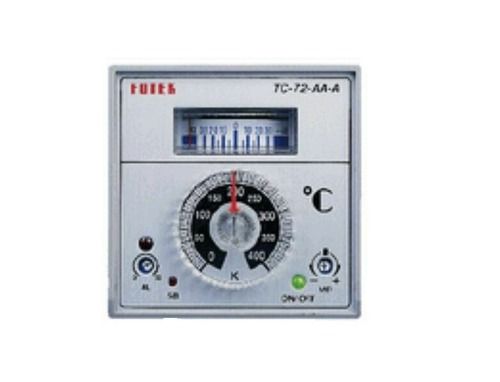
Fotek TC-72-AA Temperature Controller
Minimum Order Quantity : 1 Pieces
Minimum Order Quantity : 1 Pieces
Wireless No
Weight Approx. 250g
Voltage 90-250V AC 50/60Hz
Usage Industrial process temperature regulation
Signal Type Digital
Sensor Type Thermocouple (K, J, T, E, N, R, S, B), RTD (Pt100)
Sensitivity High
Response Time <2 seconds
Resolution 1C
Product Type Temperature Controller
Power Consumption Approx. 3VA
Output Relay Output (C: 250VAC/3A, 30VDC/3A Resistive Load)
Operating Temperature 0C to 50C
Mounting Type Panel Mount
Measurement Range -199 to 1372C (depending on sensor type)
Material ABS Plastic Housing
Interface Push Button
Input Universal (Thermocouple, RTD)
IP Rating IP54 (front panel)
Function Temperature monitoring and control
Features LED dual display, PID/ON-OFF control, auto/manual tuning
Cable Length Depends on sensor (not included)
Application Ovens, Plastics, Packaging, HVAC, Automation
Accuracy 0.5% F.S. or better
FAQs Related to Fotek TC-72-AA Temperature Controller
A temperature
controlling system is a good option for the application if the below-written
points are targeted:
Gain tighter
control over your process temperatures.
Save time and money
Usually, the
mechanism is such that the controller takes an input from the temperature
sensor like an RTD or thermocouple. The sensor then displays a digital readout
of the measured temperature followed by an automatic on or off sequence to
achieve the desired temperature at the mentioned set point. The sensor is
connected to a control element like a heater or fan.
Temperature
controllers or the PID are usually installed in applications where the user has
a constant requirement to regulate the temperature or create certain conditions
where the temperature increases or decreases as the specified set point.
Industries like thermoforming machines, packaging machines, food processing,
food storage, plastic extrusion, injection molding machines, and blood banks
need to install temperature controllers.
For any industrial
application, a temperature controller controls industrial or laboratory heating
and cooling. The sensor measures the actual temperature in the general model
and compares it with the previously set temperature. Thereby it makes an effort
to reach the set temperature by either cooling the temperature with a fan or
raising the temperature with the use of a heater.
The fundamental
principle and basic prerequisite for food safety in the food industry are that
the food handlers regulate the temperatures. This refers to a process in which
the temperature of all the food is controlled to ensure that it is safe for
consumption. If the temperature is not controlled, it could result in food-borne
illness, lawsuits, fines, and poor inspection ratings.
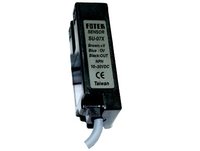
Minimum Order Quantity : 1 Pieces
Wireless : No
Weight : Approx. 35g
Voltage : 10-30V DC
Usage : Industrial Automation
Signal Type : Digital
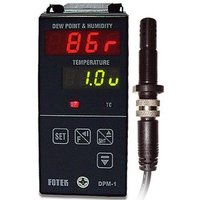
Minimum Order Quantity : 1 Pieces
Wireless : No
Weight : Approx. 200g
Voltage : 24V DC
Usage : Industrial monitoring, HVAC, Environmental
Signal Type : Current/Voltage
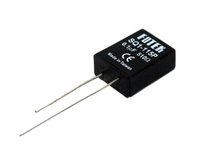
Minimum Order Quantity : 1 Pieces
Wireless : No
Weight : Approx. 12 grams
Voltage : 220V AC
Usage : Used in relay and contactor circuits
Signal Type : AC
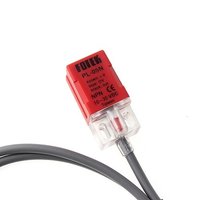
Minimum Order Quantity : 1 Pieces
Wireless : No
Weight : Approx 50g
Voltage : 12a 24 V DC
Usage : Industrial Automation, Packing Machinery
Signal Type : Digital