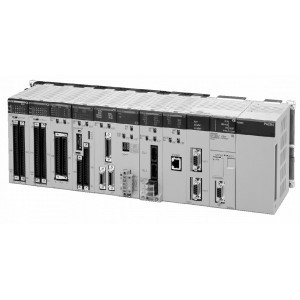
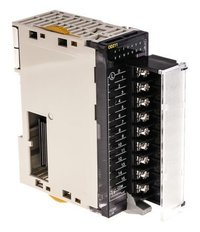
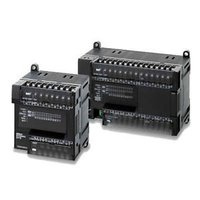
Omron CS1 PLC Price & Specifications
Weight Approx. 500g (varies with model)
Voltage 100-240 VAC, 24 VDC
Usage Machine
Temperature 0C to 55C (Operating)
Speed Range Up to 20K steps/ms
Sensor Type Supports digital & analog sensors via input modules
Remote Control Yes
Product Type PLC
Processor Type 32-bit RISC Processor
Power 24 VDC, 2.5A / 100-240 VAC, 50/60Hz
Phase Single Phase
Mounting Type DIN Rail or Panel Mounting
Material Plastic and Metal
Load Capacity Depends on I/O modules used
IP Rating IP20
Frequency 50/60 Hz
Features Modular Design, Expandable up to 80 modules, Hot Swap Support
Drive Type N/A (Controller Unit)
Control Type Programmable Logic Controller
Connectivity Type RS-232C, RS-422A/485, Ethernet, USB
Cable Length Max 500 meters over RS-485
Automation Grade Automatic
Application Industrial Automation, Machinery Control
Sample Policy Free samples are available
Sample Available Yes
Packaging Details Boxes
Main Domestic Market All India
Certifications Yes
About Omron CS1 PLC Detail
Elevate your automation with the Omron CS1 PLC-the virtuoso in industrial control, now featuring instant savings on limited stock. Scarce yet spectacular, this PLC offers up to 7,520 I/O points, modular expansion across 12 racks, and a best-in-class 250K program steps. Experience swift 0.06s basic instruction cycle time with robust 32-bit RISC processing. Designed for demanding environments, it supports USB, RS-232C, and Ethernet connectivity. Enjoy featured modularity, hot swap support, and secure memory backup in a rugged, compact package. Outperform with the Omron CS1 PLC-your automation masterpiece.
Omron CS1 PLC: Competitive Edge & Application
The Omron CS1 PLC secures a commanding edge with its expansive modularity, high-speed processing, and battery-backed memory, presenting a best-choice for machine automation and industrial control. This PLC caters to demanding automated processes, excelling in sophisticated machinery and factory applications, thanks to versatile connectivity and compatibility with digital and analog sensors. Its automated operation and remote control support make it ideal for modern, connected, and complex manufacturing environments. Users benefit from reliability and effortless expansion.
Omron CS1 PLC: Packaging, Dispatch & Export Markets
Omron CS1 PLCs are meticulously packaged for protection during transit, ensuring safe handover to clients. Packing & dispatch follows stringent export standards, safeguarding each unit's integrity and performance. Main export markets include India and international regions, reflecting high global demand. For businesses or individual buyers seeking confidence before bulk orders, sample units are readily available for evaluation. Secure packaging and reliable delivery accompany every CS1 PLC shipment, optimizing customer satisfaction and convenience.
FAQ's of Omron CS1 PLC:
Q: How does the Omron CS1 PLC support the expansion of I/O capacity?
A: The Omron CS1 PLC enables expansion of I/O capacity up to 7,520 points through its modular design, allowing connection of a CPU rack and up to 12 expansion racks. This ensures flexible scalability for varying industrial needs.
Q: What types of industrial applications are best suited for the Omron CS1 PLC?
A: The Omron CS1 PLC excels in automatic machinery control, process automation, and complex manufacturing environments, thanks to its high program capacity, fast cycle times, and robust connectivity options for diversified sensor support.
Q: When should the memory backup feature be utilized?
A: The memory backup via battery is essential when the PLC must retain user programs and data during power outages or maintenance, ensuring no loss of critical information and quick recovery upon restart.
Q: Where can the Omron CS1 PLC be installed?
A: This PLC is designed for DIN rail or panel mounting, making it suitable for a wide variety of control panels in manufacturing plants, assembly lines, and process automation setups.
Q: What benefits does hot swap support provide in Omron CS1 PLC operation?
A: Hot swap support allows users to replace or add modules without shutting down the system, minimizing downtime and making maintenance or expansion efficient during ongoing operations.

 GST No.27ACRPG0717F1ZQ


 Our Products